
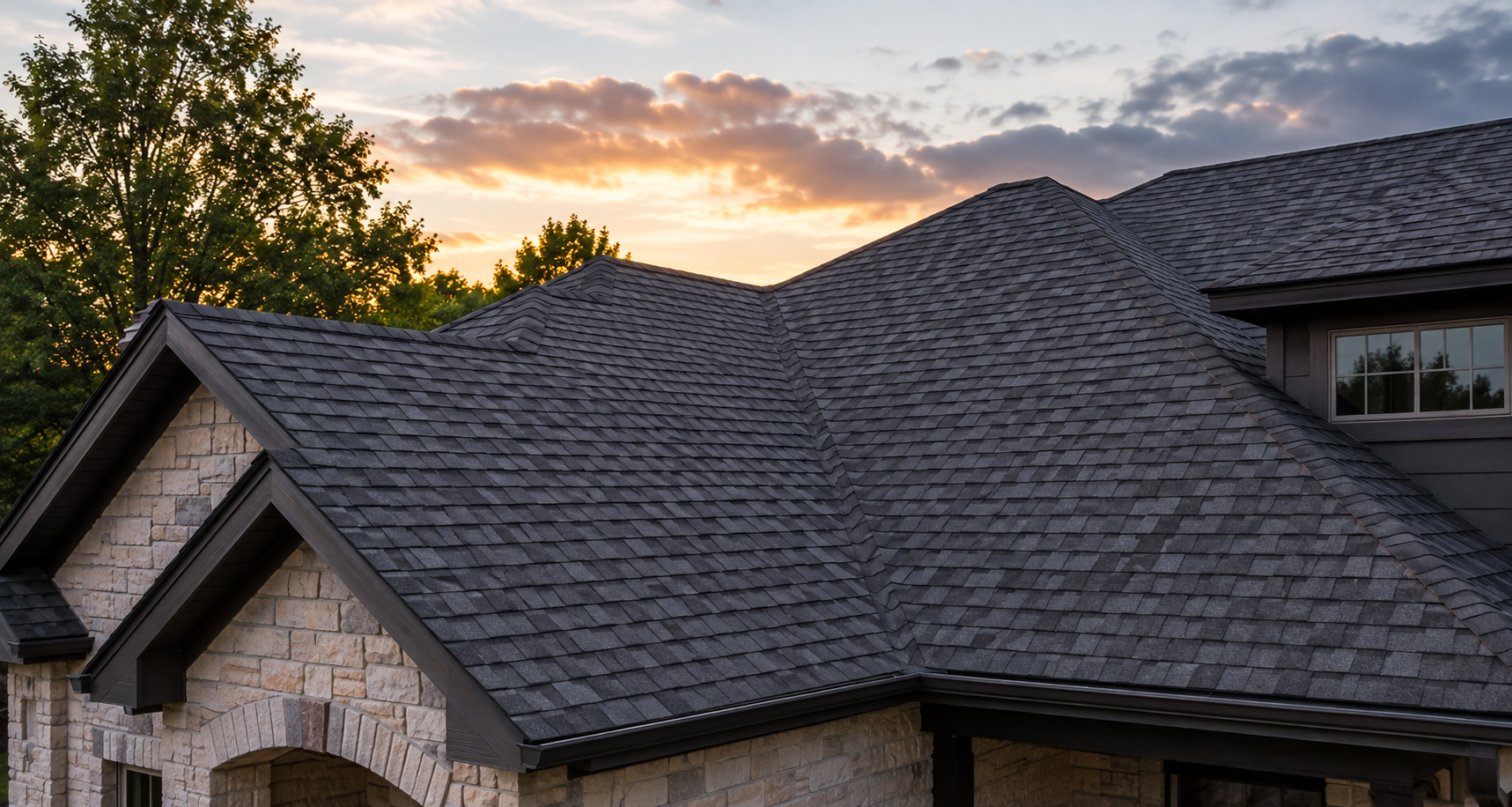
How Do I Know If I Need to Repair or Replace My Roof?
One of the most common questions we hear from South Florida homeowners is:
“Can my roof be repaired, or is it time to replace it?”
It’s an important question. A roof replacement is a major investment, and if a repair can safely extend the life of your roof, replacing it prematurely may not make sense. On the other hand, repeatedly repairing a roof that is nearing the end of its useful life can become expensive and eventually lead to bigger problems.
At Heritage Roofing, we believe the right answer starts with understanding the condition of the entire roof—not simply looking at the area where a leak appeared.
Here are some of the biggest factors we consider when helping homeowners in Stuart, Palm City, Hobe Sound, Port St. Lucie, Tequesta, and the surrounding Treasure Coast determine whether to repair or replace their roof.
When Does a Roof Repair Make Sense?
Not every roof problem means you need a new roof.
If your roof is otherwise in good condition and the problem is isolated to a specific area, a professional repair may be the most practical solution.
1. The Leak Is Isolated
A single roof leak may be caused by something relatively minor, such as:
A cracked or broken roof tile
Damaged or missing shingles
Deteriorated flashing
A leaking pipe penetration
A problem around a vent or skylight
An exposed or improperly sealed fastener
Damage concentrated in one small section of the roof
Finding the actual source of the leak is extremely important. Water can travel underneath roofing materials before appearing inside your home, which means the location of the ceiling stain isn't always directly below the roof problem.
2. The Roof Still Has Significant Life Remaining
Roof age matters, but age alone doesn't determine whether a roof needs to be replaced.
A relatively young roof that has been properly installed and maintained may have many years of service remaining. If the overall roofing system is still performing well, repairing an isolated problem can make much more sense than replacing the entire roof.
3. Most of the Roof Is in Good Condition
During an inspection, we look beyond the obvious problem.
If the roof covering, flashing, penetrations, valleys, underlayment, and other accessible components appear to be performing properly, an isolated repair may be all that's necessary.
Signs It May Be Time to Replace Your Roof
There comes a point when repairing individual problems may no longer be the most economical approach.
Here are several signs that a complete roof replacement should be considered.
1. Your Roof Is Approaching the End of Its Expected Service Life
South Florida roofs experience some of the harshest conditions in the country.
Our roofs are constantly exposed to:
Intense UV radiation
High temperatures
Heavy rainfall
High humidity
Tropical storms
Hurricanes
Strong wind events
Over time, these conditions take their toll on roofing materials and the components underneath them.
If your roof is already 15, 20, or more years old, it's especially important to have its overall condition evaluated rather than simply addressing visible problems one at a time.
2. You're Experiencing Multiple Leaks
One isolated leak is one thing.
Leaks appearing in several areas of the home can indicate that deterioration is becoming more widespread.
At that point, continually repairing individual areas may only address symptoms rather than the overall condition of the roofing system.
3. Repairs Are Becoming Frequent
If you've called a roofer several times over the past few years, it's worth looking at how much you're spending on repairs.
For example, spending a few thousand dollars repeatedly on an aging roof may not make financial sense if a replacement is likely in the near future anyway.
A good roofing contractor should help you understand both options rather than automatically recommending the more expensive one.
4. There Is Widespread Roofing Deterioration
Certain conditions can indicate that problems are no longer isolated.
Depending on your roofing material, this could include:
Numerous cracked or slipping tiles
Widespread shingle granule loss
Curling or deteriorated shingles
Corroded metal roofing components
Failing flashing
Deteriorated roof penetrations
Soft or damaged roof decking
Evidence of widespread moisture intrusion
When deterioration exists throughout the roof system, replacing the roof may provide better long-term value than continuing to make individual repairs.
What About a Tile Roof That Still Looks Good?
This is particularly important in South Florida.
Concrete and clay roof tiles can remain visually attractive even when components underneath the tile have deteriorated.
The tile itself is only one part of the roofing system. Underneath it are components designed to help protect your home from water intrusion.
This is why simply looking at a tile roof from the driveway doesn't necessarily tell you its true condition.
If an older tile roof begins developing recurring leaks in different areas, a thorough inspection can help determine whether you're dealing with isolated repairable problems or broader deterioration.
Repair vs. Replace: A Simple Comparison
A Repair May Make Sense When:Replacement May Make Sense When:The problem is isolatedProblems are appearing throughout the roofThe roof has significant useful life remainingThe roof is approaching the end of its service lifeYou've had few previous repairsRepairs are becoming frequentMost roofing components remain in good conditionDeterioration is widespreadThe repair cost is reasonable compared with the roof's remaining lifeRepair costs are becoming substantial
There isn't one rule that applies to every roof.
Two homes in the same neighborhood with roofs installed during the same year can have very different conditions depending on installation quality, materials, exposure, maintenance, previous repairs, and storm damage.
Should I Repair a 20-Year-Old Roof?
Possibly.
An older roof doesn't automatically need to be replaced simply because it reaches a certain age.
However, the economics of the repair become increasingly important.
Before investing significant money into repairing an older roof, ask:
How much will the repair cost?
What is the overall condition of the roof?
Are other areas likely to require repairs soon?
How much additional service life could I reasonably expect from the roof?
If you're spending substantial money repairing a roof that may need replacement soon anyway, putting that money toward a new roofing system may make more sense.
Don't Wait for a Leak to Find Out
One of the best times to evaluate your roof is before you have an active leak.
A roof inspection can identify potential trouble areas such as damaged roofing materials, deteriorating flashing, questionable penetrations, cracked tiles, missing shingles, or other conditions before they turn into interior water damage.
This is especially valuable after major storms and as your roof gets older.
Heritage Roofing Offers Free Roof Inspections
If you're unsure whether your roof needs a repair or replacement, Heritage Roofing offers free roof inspections for homeowners throughout the Stuart and Treasure Coast area.
We'll inspect the roof, explain what we find, and help you understand your options.
If your roof can reasonably be repaired, we'll tell you.
If we believe replacement should be considered, we'll explain why and show you the conditions we're seeing so you can make an informed decision.
That's part of our philosophy at Heritage Roofing:
How Roofing Ought To Be.
Schedule Your Free Roof Inspection
Concerned about a leak? Have an older roof? Or simply want to know how your roof is holding up?
Contact Heritage Roofing today to schedule your free roof inspection in Stuart, Palm City, Hobe Sound, Port St. Lucie, Tequesta, or the surrounding Treasure Coast.
We'll help you determine whether your roof needs a simple repair—or whether it's time to start planning for replacement.